
cf #99: content fun with my robot frenemies 🤖

You are reading contentfolks—a monthly(ish) blend of sticky notes, big marketing ideas, and small practical examples. Thank you for being here! ~fio
Hey there 👋
Over the next few weeks, my team will go through the infamous end-of-Q4, start-of-Q1 content rite known as “update all your listicles for the new year.” It’s always a bit of a slog—so earlier in December, I spent half a day not updating listicles, but instead figuring out a process for doing it with the help of a ChatGPT agent.
My goal was to save time without feeling like I was losing my soul. I’m reporting back because the results were good and you might find them useful: I went from zero to a full update in around 4 hours, which is ridiculous (in a good way) for something that would normally take waaaaaaaaaay longer.
Also, I had fun, which was perhaps the most surprising outcome of all.
First, a few words about listicles
Listicles and comparison pieces get a bad rap because the vast, vast majority was historically created for one reason: pleasing a ranking algorithm. You know the ones I’m talking about: keyword-stuffed to infinity, offering the shallowest of insight, raising more questions than they answer, and truly reading like they’re written by a machine with no understanding of human behaviour whatsoever. Sadly, that includes pieces that predate generative AI. (🌶️ )
Most listicles are comprehensive, but very few are also compelling—and that means it’s quite easy to stand out by doing something unexpected with the format, like using humour to acknowledge your lack of authorial objectivity:

Anyway. Stand-out techniques aside, the core of a good listicle is a clear, in-depth comparison that explains which product is best for which audience, and why.
In an ideal world, you’d write it with a product marketer who can give you the right info and help you shape the strongest arguments for each product.
…in reality, you’re usually doing solo research, painstakingly going through competitor websites, release notes, and feature roadmaps, and trying to find a unique angle when most tools look broadly the same.
That’s how I wrote my very first Float listicle, about a month into the job. It took me at least a couple of days from start to finish.
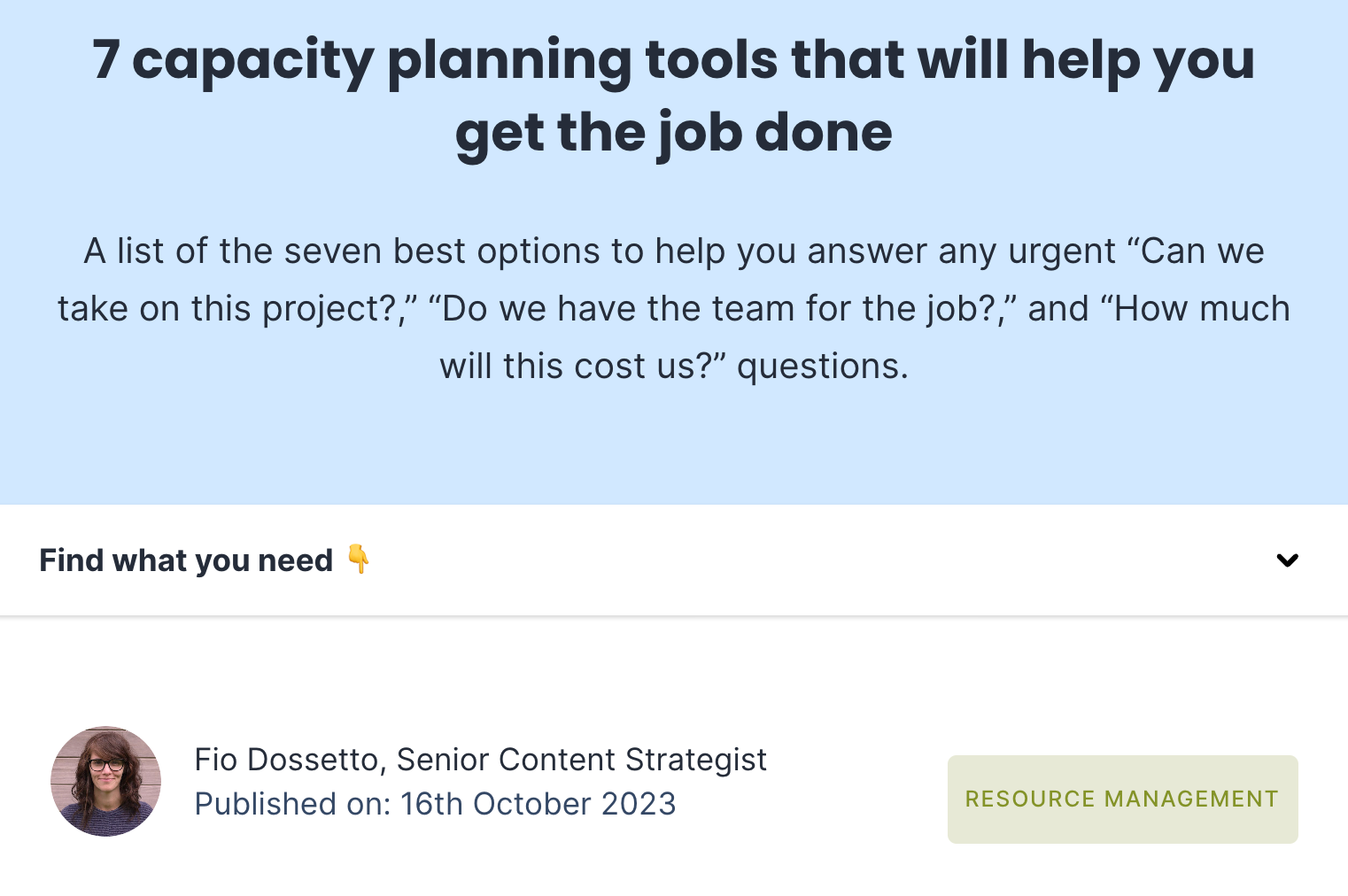
And now, with a 2026 update due shortly, I decided it was time to try and get a little help from my robot frenemies.
My ChatGPT process for updating the listicle
For this use case, I specifically wanted to try ChatGPT’s agent mode:

I started by speaking my request out loud, which is something I’ve only started doing in the last 2-3 months and boy, does it save me a lot of time.1
Here’s what I asked:
I’m looking to update a software listicle written in 2024 with information that is up to date today, the end of 2025. The listicle includes a list of six tools with a short description of each software plus their main capabilities, pricing, pros and cons; the general idea is they are all good in their respective markets, and our solution, Float.com, is the best choice for [positioning & ICP details.]
How would you go about doing this task agentically? For example, you’d have to check six different websites, their pricing pages, their feature pages, notes, releases, roadmaps, product updates, etc., compare them to the existing piece, and highlight differences.
I skim-read the proposed process, then sat back and observed ChatGPT do its agentic thing for about 10 minutes, like browse the web, run searches, visit relevant pages, and narrate what it was doing. It was kind of fun:
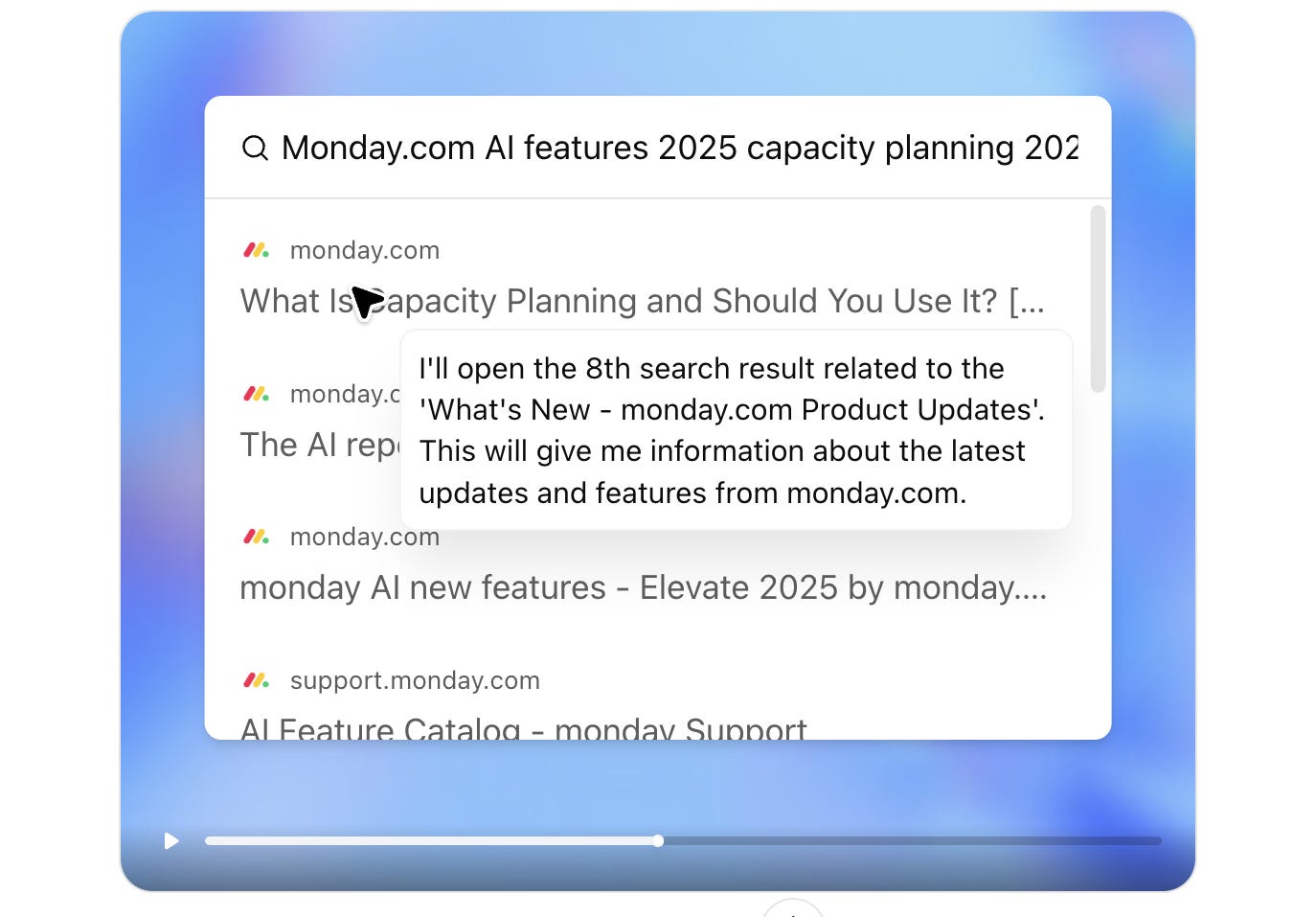
At the end of the process, it gave me a detailed research write-up that I read through carefully. I spot-checked a few links, and everything looked solid.
Total time since starting: 1 hour
Next, I pushed it further with a second prompt:
Let’s update each software based on the data you gathered.
Copied below is the existing content written for [competitor name #1].
Keep the exact structure and everything that is still factually correct, but 1) edit out what is incorrect 2) add in anything that may be new and relevant.
Highlight or bold your changes so a human editor can see where you intervened.
This worked out well, but it did need supervision. For example: ChatGPT kept trying to restart the research, so I had to stop and redirect it to the original findings multiple times. We also had some back-and-forths about what it had selected vs. left out; still, I had all the competitor updates done in just over an hour. Nice!
Total time since starting: 2 hours 15mins
At this point, I looped myself back in to fact-check. Since I wrote the original in 2023 and am familiar with the products by now, this was a relatively quick process that took about 45 minutes. More importantly, I was feeling zero mental fatigue.
Total time since starting: 3 hours
Aside from the initial setup, what took the longest were style and editorial changes. Like I said, I wanted efficiency but I refused to let ChatGPT have the final say—so I spent the next hour tinkering with sentences and structure, revising the intro and Float’s positioning, and sprinkling in a few ‘commercially persuasive’ factoids:
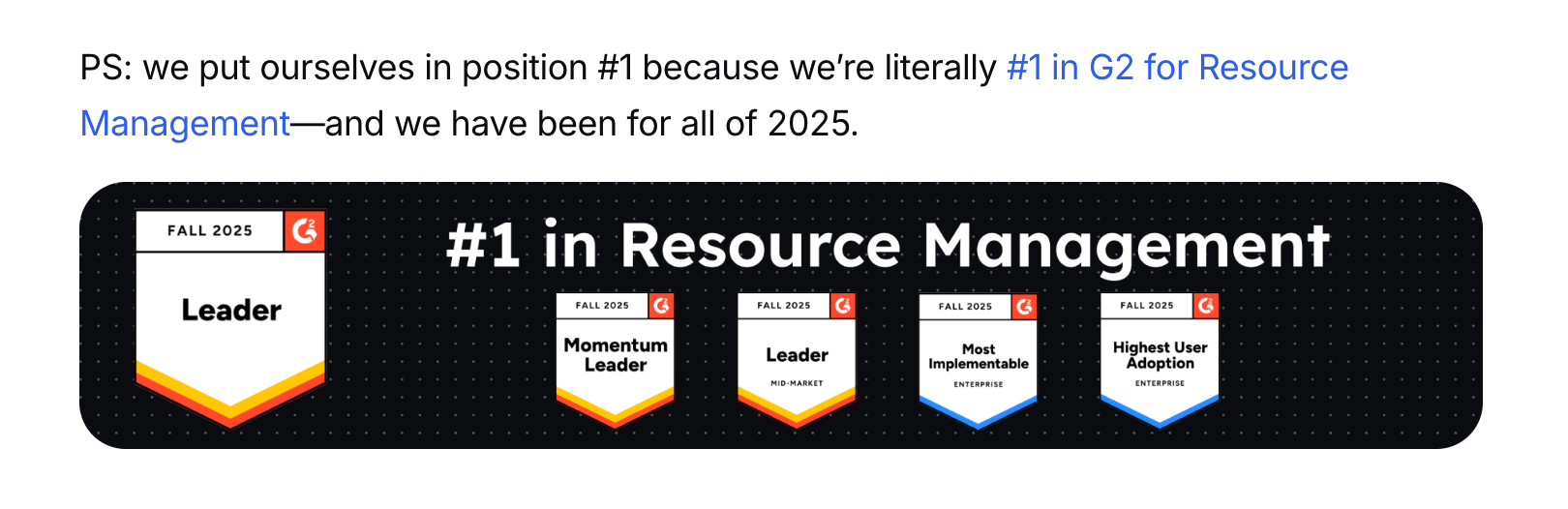
Editing is one of my favourite parts of the process anyway, and definitely not one I’m ready to outsource to a machine anytime soon.
Total time since starting: under 4 hours
Final thoughts
This was a much faster way to tackle a task that would normally require 3x the time and leave me tired and grumpy. That’s a major win in my book!
Of course, there are more impressive ways to get to the same result—platforms like AirOps and Relato, or a few well-structured Zapier automations, probably make my little write-up look hopelessly manual and already outdated. Still, when all you have is a ChatGPT account and half a day to spare… it’s worth a try 😉

Thank you for the feedback! Very interesting.